The Future of Search After Google I/O 2026
Google recently made a major announcement at the I/O 2026 that could completely transform the way Google Search works.
With the rise of AI-powered search and emerging AI platforms like ChatGPT, Google Gemini and Claude, search is no longer simple and these changes could significantly impact your visibility on the Search Engine Results Page (SERP).
A few years ago, search was as simple as switching on a button.
You typed a query and Google displayed a list of websites that directly answered your question.
Less competition, higher ranking, better results.
Today, the landscape is completely different.
Your website is no longer competing only against other websites. It is now competing against a new competitor at the very top of the SERP: AI-generated answers and overviews.
In October 2024, Google launched AI Overviews globally, allowing users to receive direct answers to their questions within a dialogue box displayed above traditional search results.
The source?
Information collected, analyzed, filtered and transformed into a response that is ready for users.
At Google I/O 2026, Google introduced the new Gemini 3.5 Flash Model that merges AI overviews with conversational AI to bring a more advanced search experience.
This transformation turns the traditional search bar into an intelligent AI assistant that reads, analyses, collects and generates information to give an output which answers your query to the core.
What Are The Key Changes In Google Search?
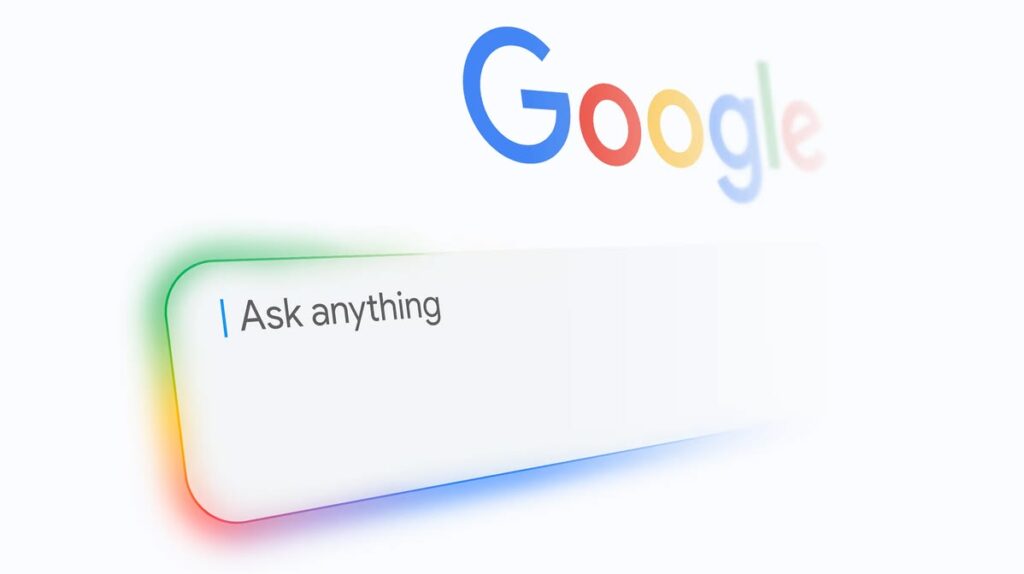
The Intelligent Search Box:
The search bar now expands into an AI-powered workspace where users can enter long and complex queries using text, images, files, videos, and even Chrome tabs.
Google then breaks these complex queries into smaller, understandable topics, analyzes each one individually, and reasons across multiple formats simultaneously to deliver a comprehensive and accurate response.
Seamless Conversational Flow:
Google is combining AI Overviews and AI mode into a single experience.
Users can search, receive answers within the overview page and continue the conversation naturally in the AI mode.
This creates a more interactive experience, similar to speaking with an AI assistant that remembers context and provides real-time responses.

Information Agents:
Google has introduced Search Agents that can easily create, customize and manage multiple AI agents to manage different tasks.
Additionally, Google is developing background agents that work 24/7 to provide updates on the latest news, trends and relevant information without requiring constant user interaction.
Generative UI and Antigravity:
New tools such as Gemini Omni Flash and Google Antigravity help users beyond simple question-answer interactions.
Gemini Omni Flash helps you generate realistic outputs, including video creation from image and video inputs. Google Antigravity is a desktop application designed to help developer create agentic AI workflows and manage autonomous tasks efficiently.
Personal Intelligence:
Google is working towards connecting AI mode and applications such as Gmail, Google Photos, and Google Calendar.
This allows AI to generate more personalized responses, summarize emails, recommend travel plans based on availability and use connected information to answer complex questions more accurately.
How Will This Affect Your Visibility?
1. Users will increasingly rely on AI-generated answers and recommendations, often finding the information they need directly at the top of the SERP.
2. With AI delivering comprehensive responses within search results, the likelihood of users exploring websites listed below AI Overviews may decrease.
3. Traditional keyword marketing alone is no longer enough, as Google now prioritizes content that satisfies user intent rather than simply matching search terms.
4. Authentic, high-quality content has become more important than ever. Content that fails to answer user questions effectively is likely to struggle in rankings.
The Solution?
In this AI-driven era, maintaining strong visibility on the first page of search results remains essential.
Businesses and website owners should focus on creating authentic and trustworthy content, building reliable backlinks, optimizing keywords strategically and most importantly, aligning content with user intent.
The goal is no longer just to rank for keywords, it is to create valuable content that both users and AI systems can understand, trust and recommend.