
How CRM Helps You Turn Leads Into Customers
CRM stands for Customer Relationship Management
CRM is like the “Continue Watching” feature on Netflix.
Think about how Netflix remembers what you watched, where you stopped, what kind of content you enjoy and even what you may want to watch next.
You never have to start over or explain anything again.
Netflix simply continues the experience from where it left off.
A CRM works the same way for businesses and customers.
It’s a system designed to manage all of your company’s interactions with current and potential customers.
The goal is simple: improve relationships to grow your business
How CRM Helps Create and Capture Leads
Today, customers discover businesses through Facebook ads, Instagram messages, websites, forms and pricing inquiries.
Without a CRM, these leads often get scattered across different platforms and conversations.
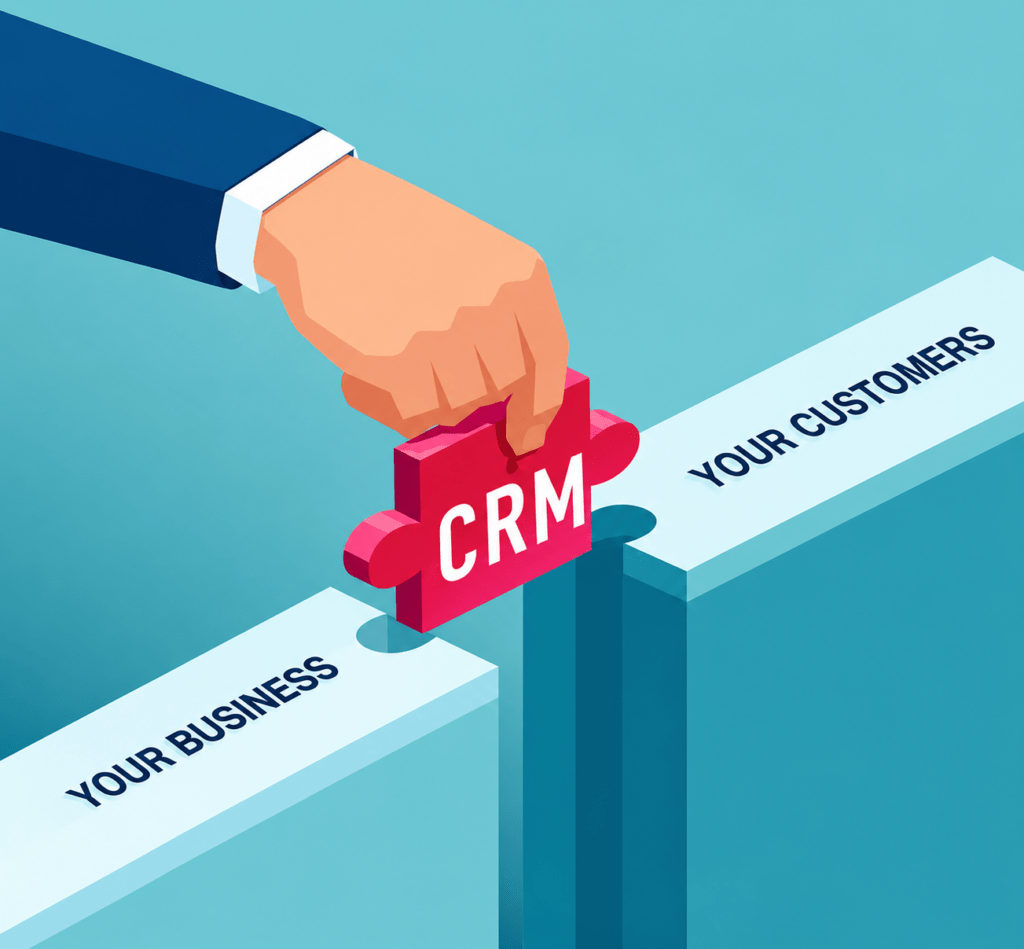
A CRM brings everything into one place.
It acts like as a smart diary for your business, remembering every interaction, conversation, preference and follow-up related to a customer. All of that on a single platform.
The moment a customer fills out a form or sends an inquiry, their details are automatically captured and stored, including their name, contact information, source, interests and interaction history.
So the next time any customer connects with the business, they already have all the information needed.
The Real Problem Businesses Face
Most businesses don’t lose customers because their product is bad, they lose them because they fail to manage relationships properly.
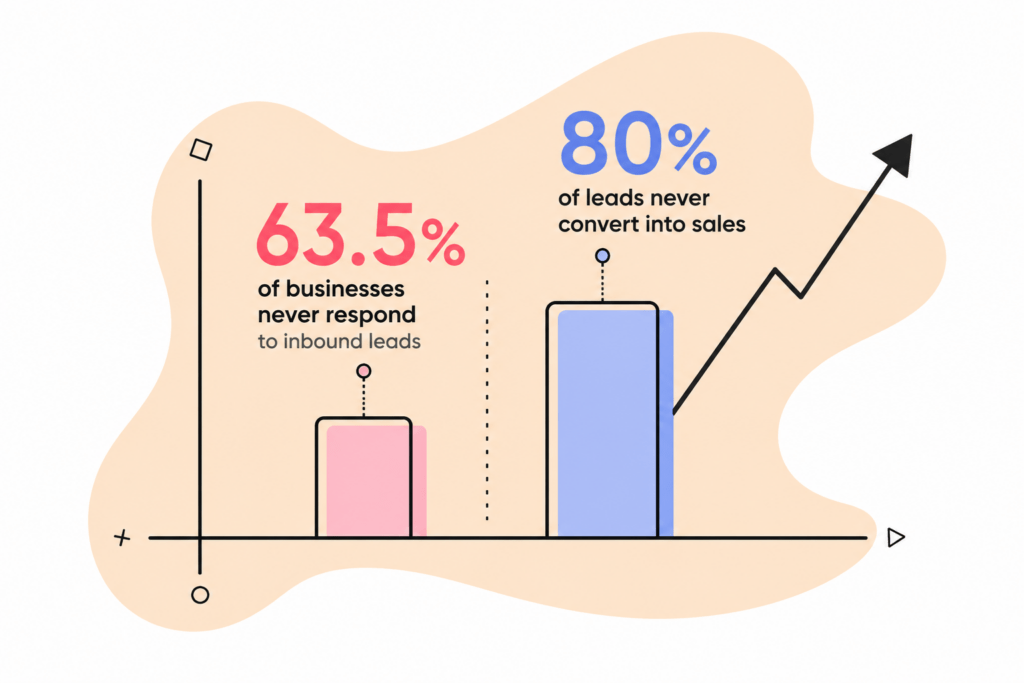
Research shows that 63.5% of businesses never respond to inbound leads and nearly 80% of leads never convert into sales, not because customers weren’t interested but because follow-ups were slow, inconsistent or completely missed.
How Smart Businesses Use CRM Efficiently:
Smart businesses use CRM as a complete sales system that helps them capture, manage, nurture and convert leads more efficiently,
Here’s how smart businesses use CRM to improve conversions:

Instant Lead Capture:
When someone fills out a form, clicks an ad or sends an inquiry, the CRM automatically saves their details. This helps businesses respond faster and prevents leads from getting lost.
Lead Scoring:
Not every lead is equally valuable. CRM systems help identify which leads are most likely to convert, helping sales teams to focus on high-intent inquiries.

Automated Follow-ups:
Most customers don’t convert after the first interaction. CRM tools automate reminders, emails and follow-up sequences so businesses stay connected without manually tracking every lead.
Personalized Communication:
CRM systems store customer history, preferences and previous interactions, allowing businesses to send more relevant and personalized messages instead of generic sales pitches.

CRM+ Marketing Integration:
When CRM connects with ads, email marketing, websites and social media platforms, businesses get a complete view of the customer journey, from first click to final conversion.
When used correctly, CRM systems can significantly improve lead conversion rates while reducing customer acquisition costs.
Because in the end, better relationships create better conversions.